
Zanzibar Beach
More than a beach
More than a beach.
Zanzibar pairs white sand and turquoise water with five centuries of Swahili, Arab and Indian history, a spice-scented interior, and some of the best reef snorkelling in the Indian Ocean. A few days here at the end of a safari gives you the full picture of what Tanzania actually is.
Zanzibar: More Than a Beach
Twenty-five minutes by air from Dar es Salaam, and a complete change of register from the bush. After a week of red dust roads and early morning game drives, the turquoise water and the smell of cloves and frangipani arrive as a genuine contrast. That shift is part of what makes the classic safari-to-beach combination work so well.
The island has two distinct personalities. Stone Town, on the west coast, is dense with history: narrow streets, carved doors, the old slave market, the spice trade that made Zanzibar wealthy and brought the Arab, Indian and Swahili cultures together in the architecture and food you find there today. It rewards at least a full day on foot with a guide who knows it properly.
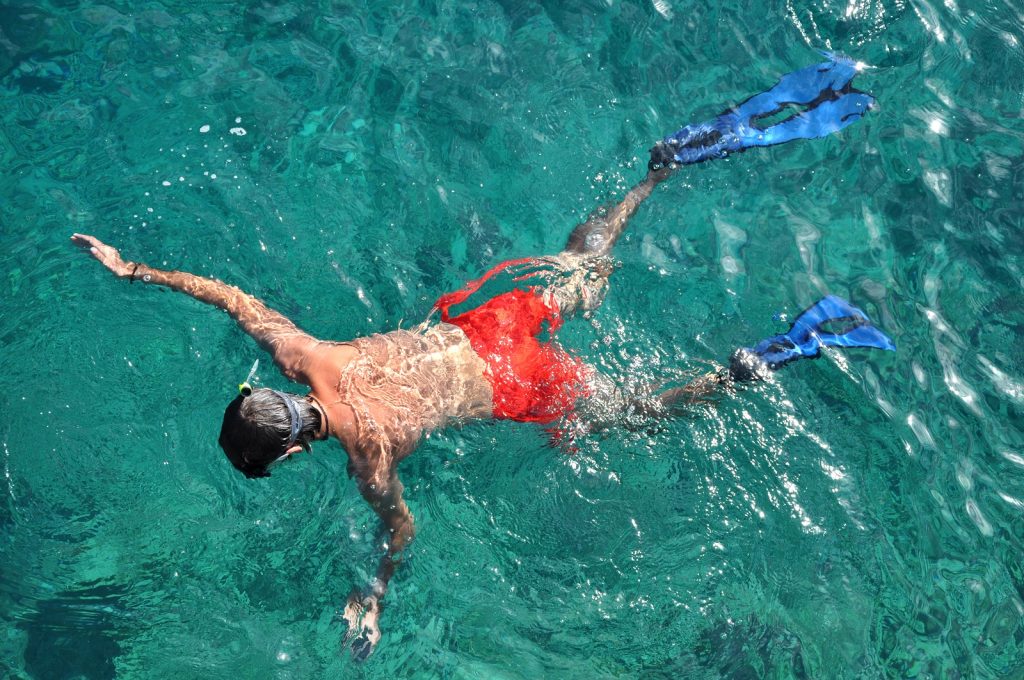
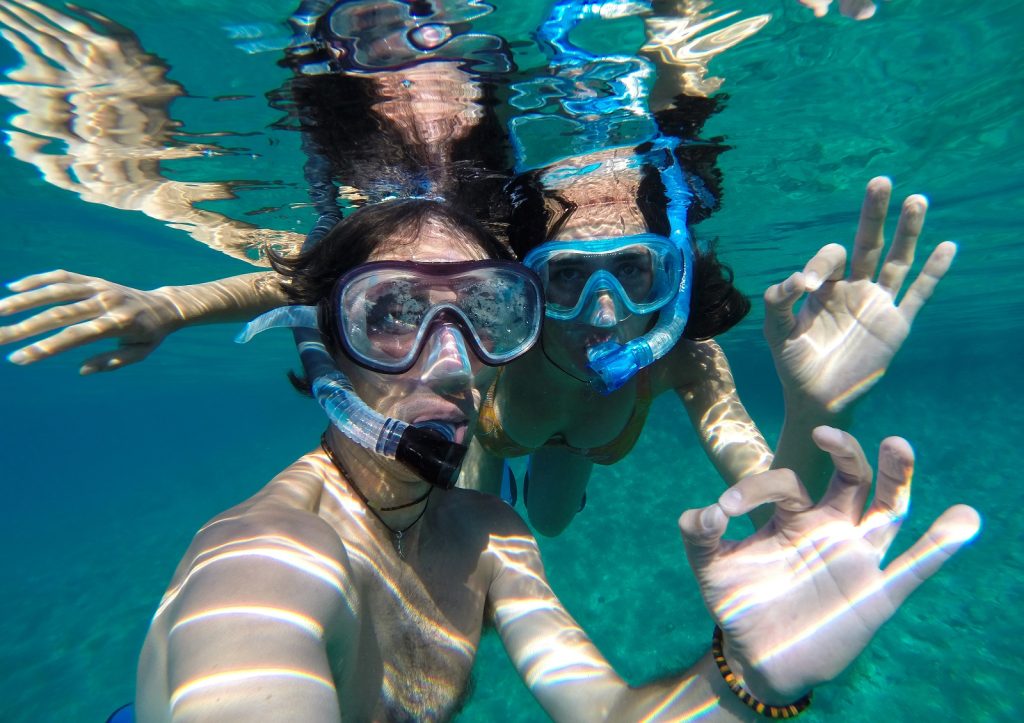
The beaches are on the north and east coasts. Nungwi and Kendwa in the north have better year-round swimming because the tides are less extreme. Paje and Jambiani on the east are quieter, with long stretches of white sand and good conditions for kite-surfing. Both coasts have snorkelling and diving, with the coral gardens around Mnemba Atoll among the best in the region.
A dolphin excursion off the south coast, a spice farm tour in the interior, a sunset dhow cruise from Stone Town: the days fill naturally without any effort.
We arrange Zanzibar as a standalone stay or as an extension to any safari itinerary. Tell us how many days you have and what matters to you, and we’ll put together the right combination.
The beaches are the obvious draw, but the island has more layers than a single coastline. Stone Town alone deserves a full day: the old capital built over centuries by Arab traders, Indian merchants and African craftsmen, still a living town with carved doors, narrow streets and history around every corner. From there, a spice farm visit in the rural interior puts the island’s other famous export in context, cloves, vanilla, cardamom, all still grown here, with a lunch that usually rounds the morning off well.
On the water, the options are just as varied. Menai Bay to the south is the destination for Safari Blue, a full day of snorkelling, sandbank stops and fresh seafood that is hard to beat. Mnemba Island off the northeast coast offers some of the best reef snorkelling in the archipelago, with turtles and reef fish in good numbers. Prison Island, a short boat ride from Stone Town, is home to a colony of giant Aldabra tortoises, some over a century old, wandering the grounds at their own pace.
Inland, Jozani Forest is the last remaining indigenous forest on Zanzibar and the only place in the world where the Kirk’s red colobus monkey is found. A couple of hours among the trees and the mangrove boardwalk makes a good contrast to a beach day.
We can arrange any or all of these alongside your beach stay. Tell us how many days you have and we’ll suggest a combination that makes the most of them.