Ngorongoro Crater
Ngorongoro Crater: The World’s Largest Intact Volcanic Caldera
The descent is part of the experience. The road drops 600 metres from the rim into a world that feels completely enclosed, 260 square kilometres of grassland, forest, and soda lake contained within the walls of an ancient volcanic caldera. This area is declared a World Heritage Site by UNESCO and everyone who once visited it will understand why. From the top you can see the whole floor spread out below you. By the time you reach it, the scale of the place becomes clear.
u00a0
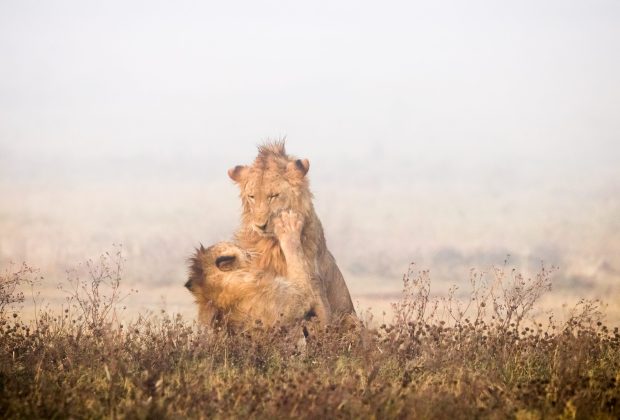
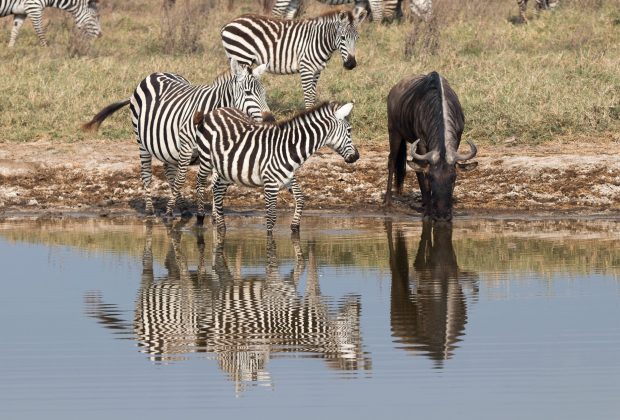
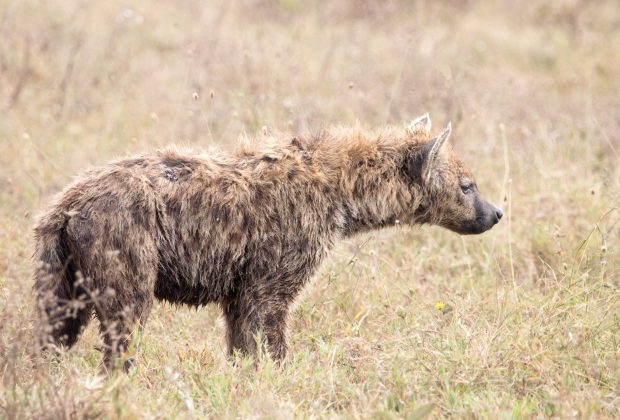
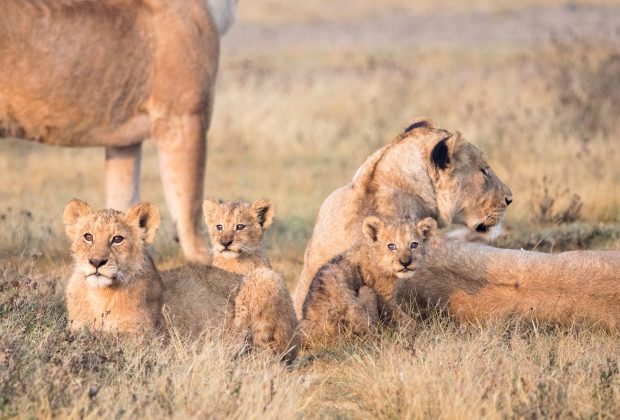
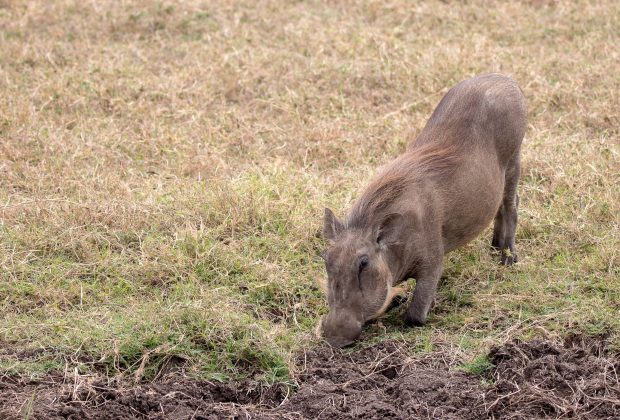
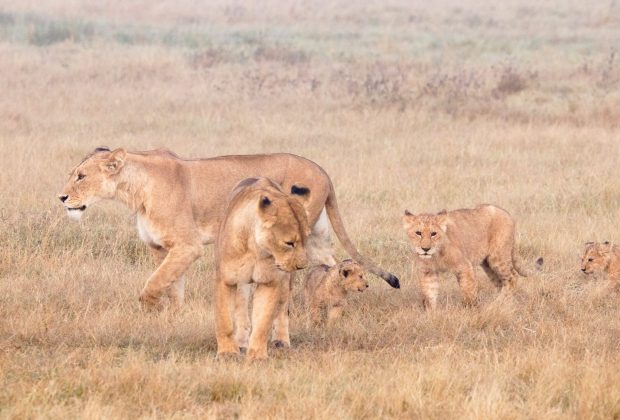
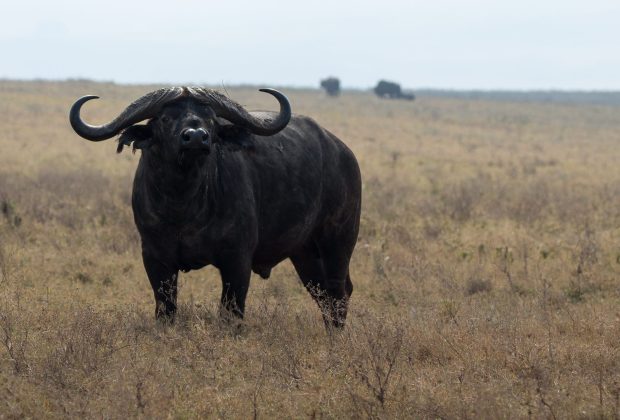
The crater holds one of the highest concentrations of large predators in Africa. Lion prides are reliably found here, often in the open and often close to the road. Elephant bulls move through in numbers. Buffalo herds graze the short grass plains. And the black rhino, increasingly rare elsewhere in Tanzania, is still present in the crater in small numbers. A sighting is not guaranteed, but this is one of the few places where it remains a genuine possibility.
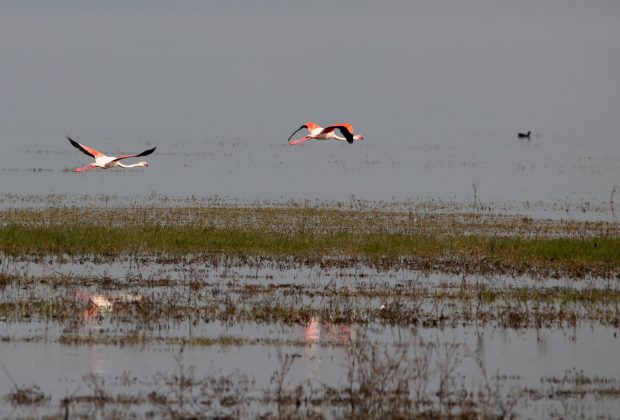
The central soda lake, Lake Magadi, draws flamingos in season, and the Lerai forest on the southern edge is worth time in its own right. Hippos occupy the permanent pools near the Mandusi Swamp. The variety of animals is unusual, even by northern circuit standards.