Serengeti National Park Safari
Serengeti National Park: Africa’s Iconic Wildlife Destination
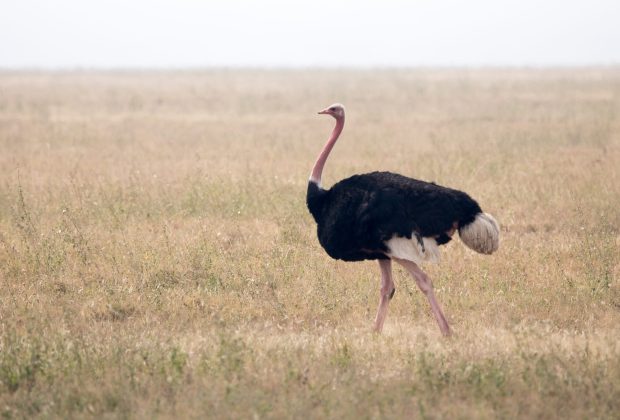
There is no easy way to describe scale to someone who hasn’t stood in the middle of it. The Serengeti covers more than 14,000 square kilometres of open savannah, and on a clear day in the central plains the horizon is so far away it looks painted. No fences. No edges. Just grass, sky, and whatever is moving through it.
u00a0
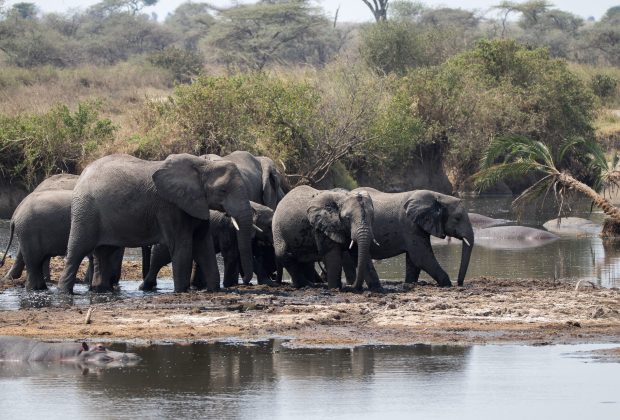
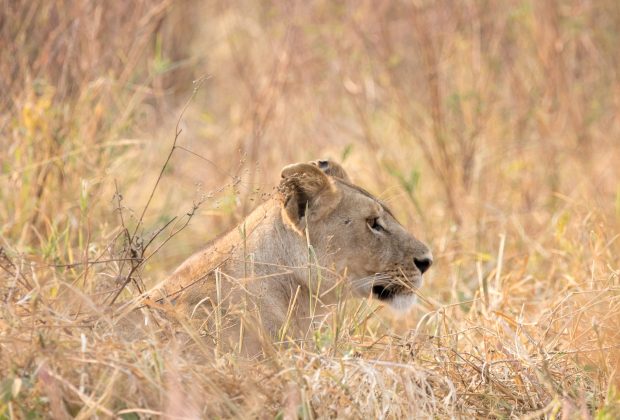
The park is home to the full cast of East African wildlife year-round. Lion prides that have held the same territories for generations. Leopard in the acacia woodland along the rivers. Cheetah on the open plains, using termite mounds as vantage points. Elephant, buffalo, giraffe, zebra, hyena, wild dog on a good day. The Serengeti doesn’t need the Great Migration to justify the journey, though when the Migration is here, everything intensifies.
u00a0
The character of the park changes with the season and with where you are within it. The southern plains around Ndutu are wide and flat, best in the calving months of January and February when the grass is short and predators are everywhere. The central Seronera area is the most visited, with permanent rivers that hold wildlife reliably through the dry season. The northern Serengeti, closer to the Kenyan border, is wilder and less trafficked, and from July onward it is where the river crossings happen.
u00a0
Three days here gives you a real sense of the place. Five days lets it settle. The Serengeti is one of those rare destinations where more time never feels wasted, because the landscape has a way of producing something new every morning you are in it.