Photographic Safaris Tanzania
Tanzania Photography Safari Experiences
Tanzania is one of the few places in the world where the wildlife comes to you. The density of animals in the Serengeti, Ngorongoro, and Tarangire means you spend less time searching and more time with your lens on something worth shooting. The light at dawn and dusk, the open savannah, the scale of the landscape: it adds up to conditions that are genuinely hard to find anywhere else.
A photographic safari is a different kind of trip to a standard game drive. The pace is slower. The guide knows that you need the vehicle positioned at the right angle, not just the closest distance. Stops are longer. You leave earlier and stay out later, because the first and last hour of light are where most of the best images come from.
u00a0
What we do differently
Every photographic safari we run is private. That means no other travellers in the vehicle, no compromise on where to stop or how long to stay, and no one nudging the driver to move on when you’re in the middle of a moment.
Our guides know animal behaviour. Knowing that a cheetah is about to move, or that a pride is likely to hunt before the light goes, is what separates a good wildlife photograph from a lucky one. That knowledge comes from years in the field, not a guidebook.
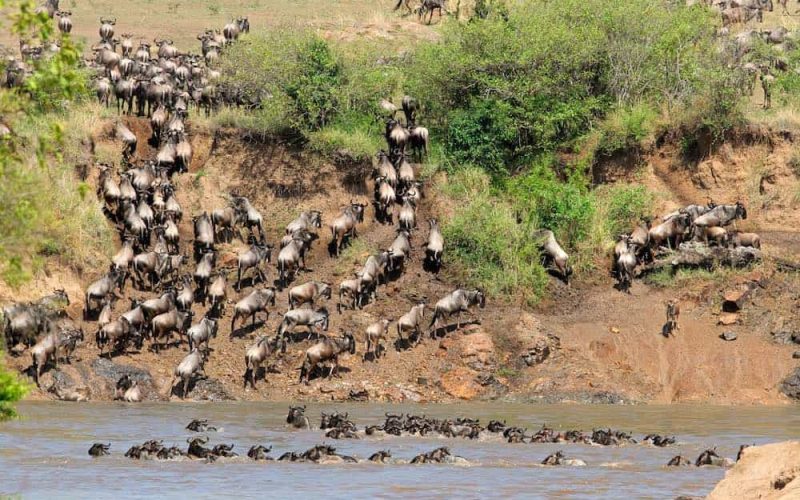
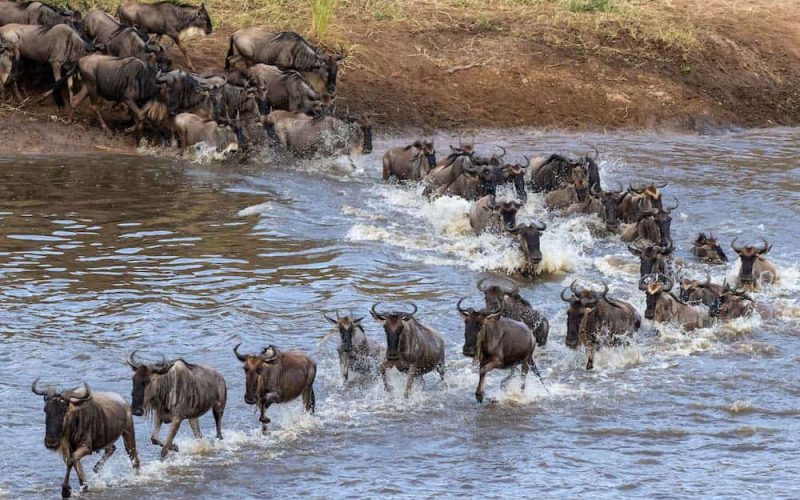
We plan routes and timing around what you want to shoot. Calving season in Ndutu for predator action and newborn wildebeest. The northern Serengeti in July and August for river crossings. Tarangire in the dry season for elephant herds against ancient baobabs. We’ll match the itinerary to your photographic priorities.
Who this is for
Both experienced photographers and complete beginners. If you’re serious about wildlife photography, we’ll build a trip around the best conditions for the shots you’re after. If you’re travelling with a camera and want to come home with images that are actually worth printing, the same principles apply: good light, patient guiding, and enough time in the right places.
A note on gear
We don’t require any specific equipment. A longer lens (200mm and above) helps with distant subjects, and a beanbag for stabilising your camera on the vehicle door makes a real difference. We can advise on what to bring based on the parks you’ll be visiting and what you’re hoping to photograph.