
Stone Town, Zanzibar
Stone Town, Zanzibar
Stone Town takes longer to understand than a single visit allows. That is a good reason to spend a full day here rather than a rushed afternoon.
The old town was built over centuries by Arab traders, Indian merchants, African craftsmen, and Portuguese and British colonial administrators. Each group left something behind: in the architecture, the street layout, the food, and the rhythm of daily life. The result is a UNESCO World Heritage site that still functions as a living town, not a preserved relic. People live and work in the buildings that tourists photograph.
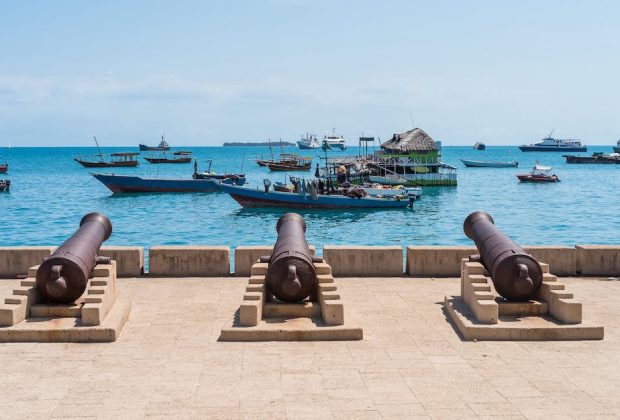
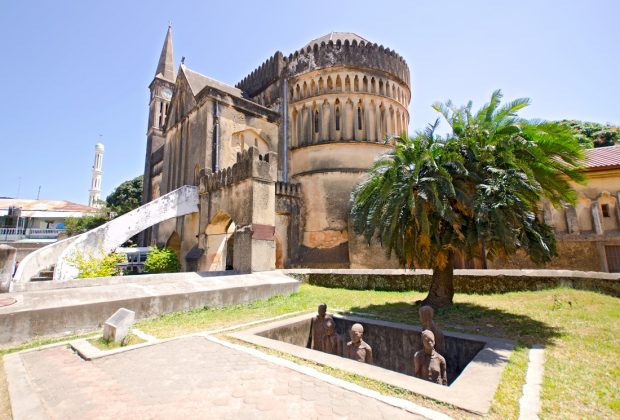
The carved wooden doors are the most striking feature. Each one is different. Many are hundreds of years old, with brass studs and detailed carvings that reflect the status and origins of the family that commissioned them. The House of Wonders and the Old Fort anchor the seafront. The former slave market, now a cathedral, is one of the most sobering stops on any walk through the town.
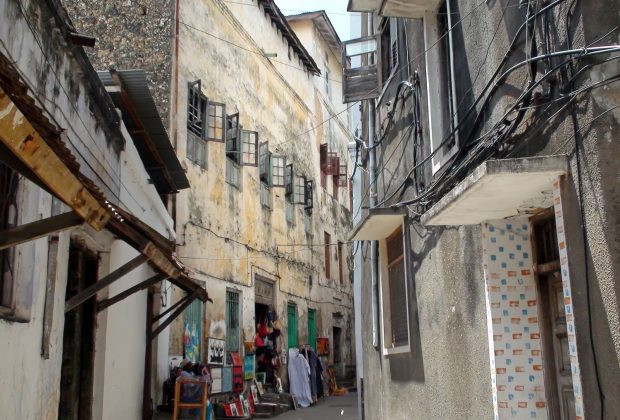
Away from the main sites, the narrow streets reward time spent without a fixed agenda. The Darajani market in the morning gives you a clearer sense of daily life than any museum. The rooftop cafes along the seafront are worth the climb at sunset.
A local guide makes a real difference here. The stories behind specific buildings and families, the parts of town most visitors miss, the best place to eat: none of this is in any guidebook. We use guides who know the town properly, and we let the day breathe.